Coach Welly Team
·

Your employees are exhausted. Not just tired from a long week—truly, deeply burned out. They're sleeping less than seven hours a night, stressed about finances, and struggling to show up as their best selves. And here's the hard truth: traditional wellness programs aren't cutting it anymore. Those dusty gym memberships and annual health fairs? They're not addressing the mental health crisis unfolding in workplaces across the country.
But there's good news. A quiet revolution is happening in employee wellness, and it's changing everything. Gamified wellness challenges—those fun, engaging programs that turn healthy habits into rewarding experiences—are proving to be one of the most effective tools for combating burnout and genuinely improving mental health at work. We're talking about real results: employees who are 64% more intentional about their wellbeing, companies seeing up to 20% productivity boosts, and programs that people actually want to use daily.
The shift is already underway. In just one year, the percentage of wellness programs including mental and behavioural health support jumped from 52% to 75%. Organisations are waking up to what their people desperately need: accessible, engaging support that fits into their daily lives. Let's explore how gamified wellness challenges are becoming the secret weapon against employee burnout—and why they might be exactly what your organisation needs right now.
The Employee Burnout Epidemic: A Crisis We Can't Ignore
The numbers tell a sobering story. A staggering 69% of employees are sleeping less than seven hours per night—the minimum threshold recommended for adult health. When your workforce is chronically sleep-deprived, everything suffers: decision-making, creativity, emotional regulation, and physical health. This isn't just about feeling tired; it's about operating in a constant state of deficit that makes burnout inevitable.
Financial stress is pouring fuel on this fire. For today's employees, money worries aren't staying at home—they're impacting mental health (34%), disrupting sleep patterns (33%), and taking a toll on physical health (23%). When your team is lying awake at night worrying about bills, they're not showing up refreshed and ready to tackle challenges. They're showing up exhausted, anxious, and increasingly disengaged.
The traditional wellness response? It's falling short. Over 50% of employers report that low participation is their biggest wellness program challenge. Employees aren't ignoring wellness because they don't care—they're ignoring it because most programs feel like one more obligation on an already overflowing plate. Static, one-size-fits-all approaches don't resonate with people who are already stretched thin. What's needed is something different: something engaging, flexible, and genuinely supportive.
How Gamification Transforms Wellness From Obligation to Opportunity
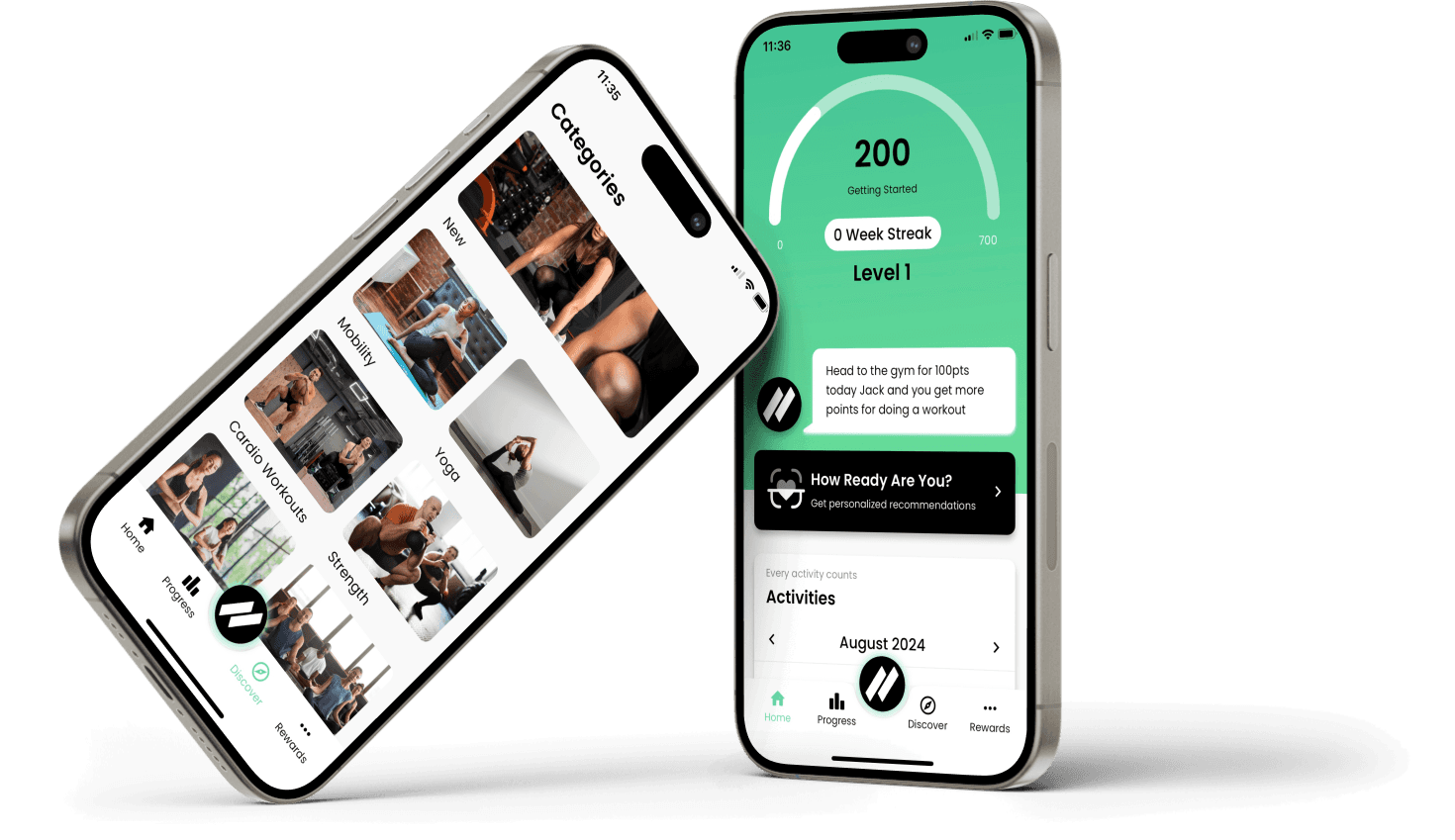
This is where gamification becomes a game-changer. By incorporating elements like points, challenges, streaks, and rewards, gamified wellness transforms healthy behaviors from chores into experiences people genuinely look forward to. Instead of "I should probably exercise," it becomes "I'm three days away from my longest streak—I'm not breaking it now!"
The psychology behind this is powerful. Gamification taps into intrinsic motivators that drive human behaviour: achievement, progress, social connection, and autonomy. When employees earn points for a meditation session, unlock badges for consistent healthy choices, or see their name climb a friendly leaderboard, their brains release dopamine—the same feel-good neurochemical associated with reward and motivation. Suddenly, wellness isn't something they're forcing themselves to do; it's something they want to do.
The data backs this up beautifully. A remarkable 62% of employees now use wellness apps weekly, and nearly one in three Gen Z employees use them daily. These aren't people grudgingly logging activities—they're actively engaged participants who've found a wellness approach that actually fits their lives. When wellness feels like play rather than work, consistency follows naturally. And consistency is exactly what's needed to combat burnout and build lasting mental health resilience.
The Power of Micro-Habits and Streaks: Small Steps, Big Impact
Here's a truth that changes everything: you don't need massive lifestyle overhauls to impact mental health and burnout. You need consistent micro-habits—tiny, manageable actions that compound over time into transformational results. Gamified wellness challenges excel at building these micro-habits by making them visible, trackable, and rewarding.
Think about it: taking three deep breaths before a stressful meeting. Drinking a glass of water first thing in the morning. Stepping outside for a five-minute walk at lunch. These actions take almost no time, require minimal effort, and can be done by anyone, anywhere. But when you track them, celebrate them, and build streaks around them, something magical happens. That five-minute walk becomes a non-negotiable part of your day. Those three deep breaths become your go-to stress management tool.
Streaks are particularly powerful for mental health. When someone is on day 47 of their morning gratitude practice, they're not just logging an activity—they're building an identity as someone who prioritizes their mental wellbeing. That streak becomes proof of their capability and commitment. Breaking it feels like losing momentum, so they keep going. And every day they continue, the habit becomes more automatic, the benefits more profound, and their resilience against burnout grows stronger.
This is exactly why AI-driven personalisation and micro-habits are emerging as major trends in workplace wellness. Technology can now suggest the right micro-habit at the right moment, tailored to each individual's needs, schedule, and preferences. It's not about doing everything—it's about doing the right small things consistently, and gamification makes that consistency achievable and even enjoyable.
Measurable Mental Health Outcomes: From Engagement to Impact
Skeptics might ask: does this actually work, or is it just fun and games? The evidence is compelling. Employees participating in gamified wellness programs report being 64% more intentional about their wellbeing. That's not a marginal improvement—that's a fundamental shift in how people approach their health. When you're intentional, you make different choices. You recognise stress earlier. You prioritise sleep. You reach out for support before you hit crisis mode.
The workplace culture impact is equally impressive. Companies that successfully integrate wellbeing into their culture—rather than treating it as a separate perk—report productivity increases of up to 20%. Think about what that means: the same team, producing significantly more, not because they're working longer hours (which would increase burnout), but because they're healthier, more focused, and more engaged. When people aren't running on empty, they simply perform better.
The mental health benefits extend beyond individual metrics. Gamified challenges create social connections and community support—critical protective factors against burnout and isolation. When team members encourage each other's streaks, celebrate milestones together, or participate in group challenges, they're building the kind of supportive workplace relationships that buffer against stress. Burnout thrives in isolation; it struggles in connected, supportive environments.
The 75% of wellness programs now including mental and behavioural health support represents a massive shift in organisational priorities. But inclusion isn't enough—the support needs to be accessible and engaging. Gamified approaches meet people where they are, making mental health tools feel approachable rather than intimidating, and daily engagement rather than crisis intervention becomes the norm.
Creating a Culture Where Wellness Wins
The most successful organisations aren't just offering gamified wellness challenges—they're weaving them into the fabric of their culture. This means leadership participation, regular communication about wellbeing, and recognition that goes beyond productivity metrics to celebrate health achievements. When the CEO shares their meditation streak or the management team participates in a team challenge, it sends a powerful message: wellness matters here.
This cultural integration is what transforms good intentions into lasting impact. When wellbeing becomes part of how your organisation operates—not just something you offer—participation skyrockets and results compound. Employees stop seeing wellness activities as separate from work and start seeing them as integral to performing their best. The burnout cycle breaks because the system itself starts supporting health rather than depleting it.
The technology makes this easier than ever. Modern gamified platforms provide the infrastructure for challenges, tracking, and rewards, but they also provide the data that helps you understand what's working. You can see participation patterns, identify which challenges resonate most, and continuously refine your approach. This isn't set-it-and-forget-it wellness—it's dynamic, responsive, and continuously improving.
Conclusion: Your Move Toward a Healthier, More Engaged Workforce
The employee burnout crisis is real, and it's not going away on its own. But you're not powerless. Gamified wellness challenges offer a proven path forward—one that your employees will actually engage with, enjoy, and benefit from. The combination of engaging game mechanics, supportive micro-habits, and meaningful rewards creates the consistency needed to genuinely impact mental health and build burnout resilience.
Your team deserves better than generic wellness programs that gather dust. They deserve tools that meet them where they are, celebrate their progress, and make wellbeing feel achievable rather than overwhelming. They deserve an organisation that doesn't just talk about mental health but provides accessible, engaging ways to protect and improve it every single day.
Coach Welly was built for exactly this moment. Our gamified wellness engagement platform transforms healthy habits into rewarding experiences that your employees will actually love using. With personalised challenges, streak tracking, meaningful rewards, and the kind of encouraging support that drives lasting behaviour change, Coach Welly helps you create a workplace culture where wellbeing thrives and burnout loses its grip. Ready to discover what's possible when wellness becomes engaging? Let's build something better together.