Coach Welly Team
·
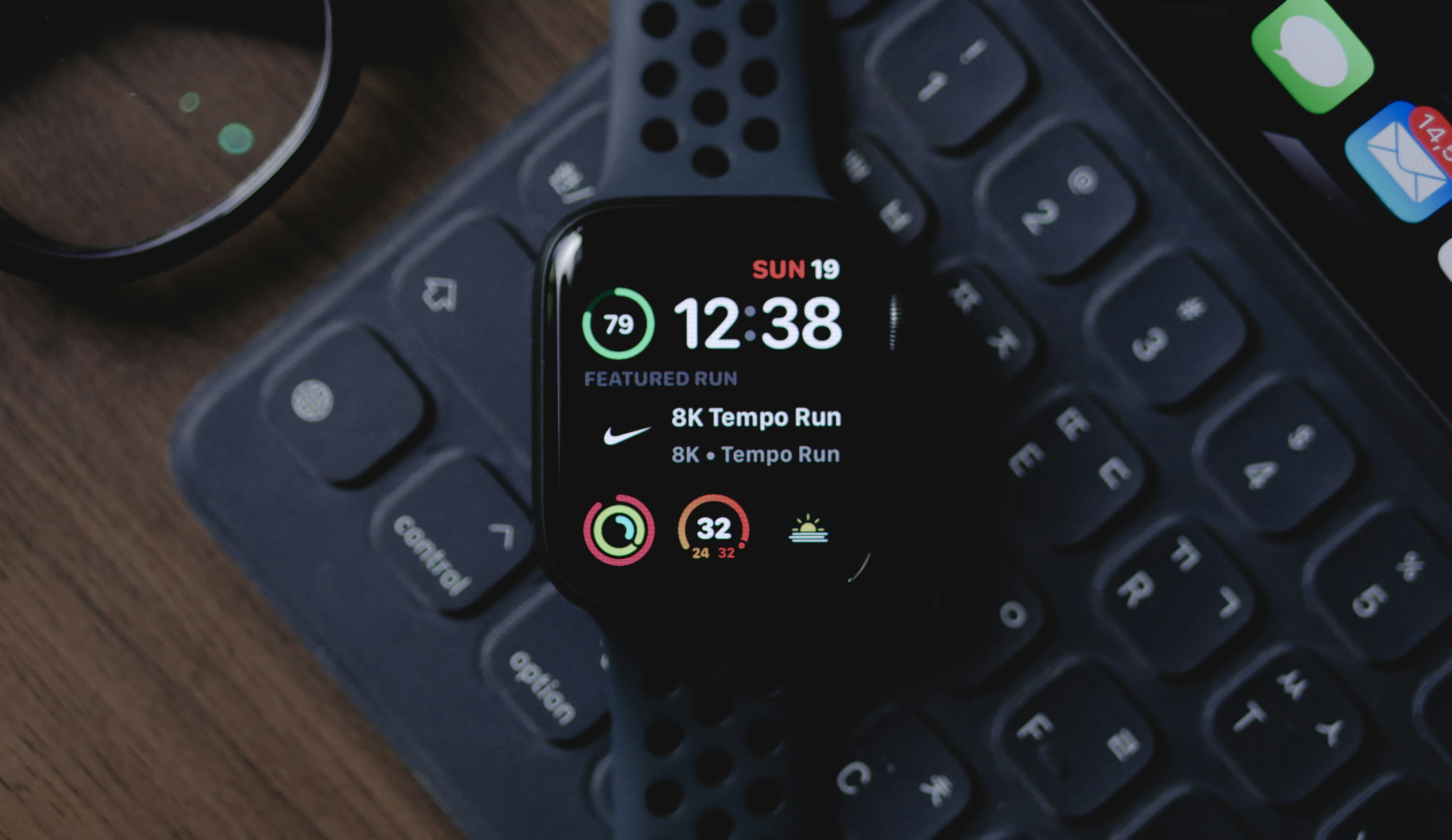
It's 8 am on a Monday, and across your organisation, hundreds of people are glancing at their wrists. Their smartwatches and fitness trackers are logging steps, sleep scores, heart rate variability (HRV), and recovery data. Too often, that data disappears into a dashboard that nobody reads, and a massive opportunity to drive real behavior change is lost.
Here’s the reality most corporate wellness programs miss: Wearable data is not just a reporting tool, it's raw material for motivation design. Every health signal, from a logged step to a readiness score, can be connected to the right reward mechanics to form the foundation of genuine, lasting behavior change. Research shows well-designed incentive programs can increase physical activity participation by up to 40%. This guide is for wellness leaders and HR professionals ready to transform their wearable data from a compliance metric into an engagement engine.
We will walk you through how to architect a wearable-driven reward system, covering data inputs, points structures, tier design, and engagement loops. Done correctly, this system becomes a powerful tool for retention and culture.
Step 1: Define the Behaviors Worth Rewarding
Before setting points or tiers, you must define the specific behaviors your organisation wants to improve. The mistake many organisations make is jumping straight to a rewards catalogue without defining the goals, which often results in a system that incentivises metric gaming instead of genuine health improvement.
Focus on behaviors strongly linked to long-term outcomes: daily movement, sleep consistency, stress reduction, cardiovascular fitness, and sustained adherence over weeks and months.
The most critical principle is to reward behaviors that correlate with outcomes, not raw data points. For example, 10,000 steps consistently across three weeks signifies a genuine habit, which is the behavior worth rewarding.
The high-impact wearable metrics to focus on include:
Active minutes: Sustained movement throughout the day.
Step trends: Week-on-week consistency, not daily spikes.
Heart rate zone time: Minutes spent in cardio and fat-burn zones.
Sleep quality and consistency: Duration and regularity.
HRV and recovery scores: Genuine indicators of physiological adaptation.
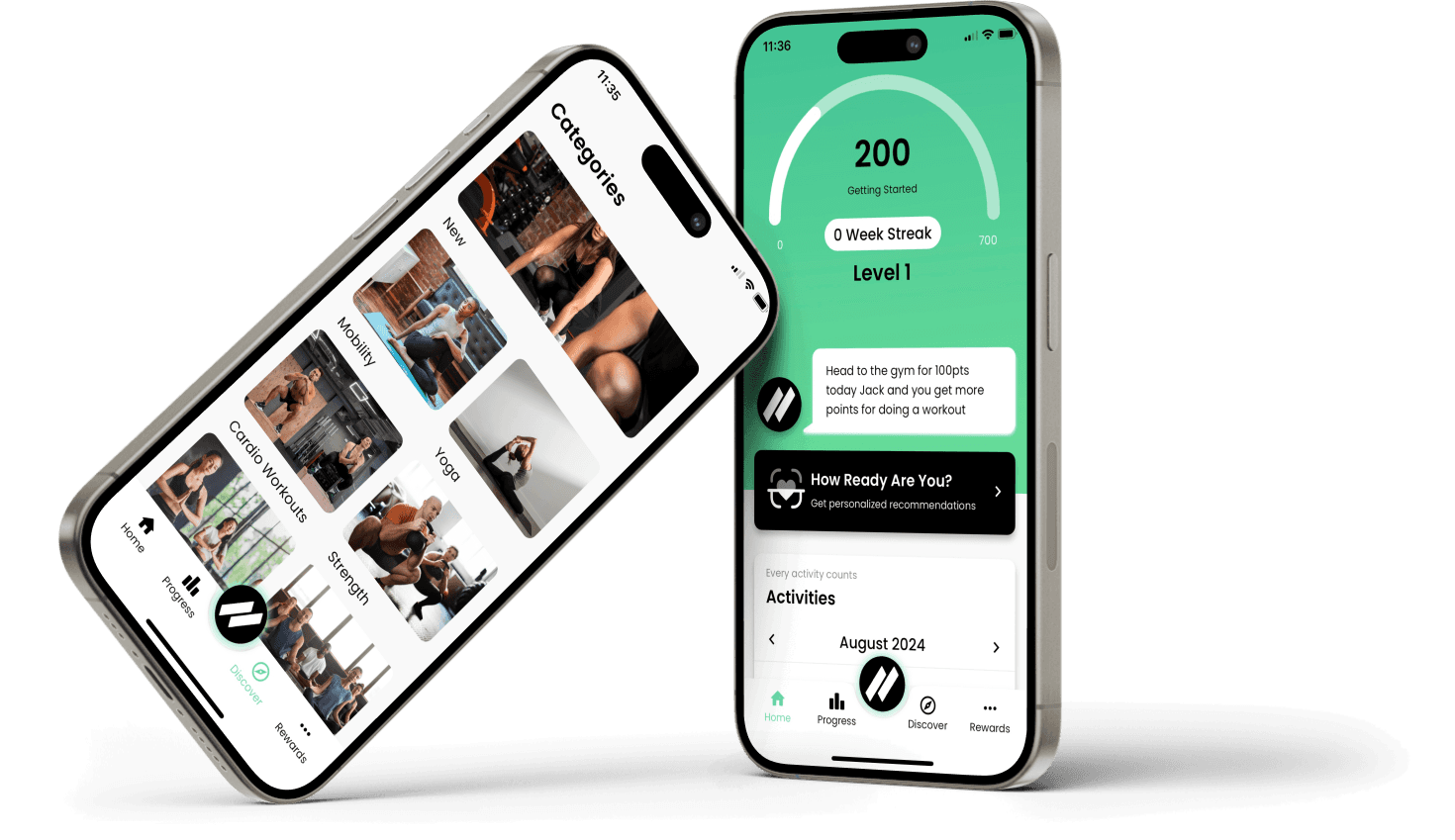
Consistency over single-day efforts is key. Welly Challenges tracks all of these metrics automatically through wearable integration.
Step 2: Build a Points System That Rewards Effort, Not Genetics
Most corporate wellness programs reward outcomes, such as the highest step count or best sleep score, which often favors those already fit or genetically predisposed to strong metrics. A well-designed points system rewards behavior and improvement, which are things everyone can control.
Daily Activity
Step Targets: Progressive tiers such as 5,000 steps (30 points), 8,000 steps (60 points), and 12,000+ steps (100 points).
Active Minutes: 30 minutes in Zone 2–3 earns 80 points; 45 minutes or more across Zones 2–4 earns 120 points.
Sleep
Seven to nine hours of quality sleep earns 70 points per night.
Consistency bonuses: Five consecutive nights above seven hours earns a 200-point bonus; a sleep consistency score above 85 adds 50 points.
Recovery
Reward relative improvement over absolute terms. HRV above an individual's 30-day baseline earns 40 points.
A 5% improvement in resting heart rate over 60 days triggers a 300-point milestone reward.
Streaks and Milestones
Streaks are the engine of habit formation: a 7-day movement streak earns 150 bonus points, 30 days earns 500, and a 90-day streak earns 2,000. Welly Challenges automates this entire scoring engine using real-time, verified metrics.Step 3: Introduce Reward Tiers That Create Aspiration.
Step 3: Introduce Reward Tiers That Create Aspiration
While points motivate action, tiers motivate identity and progression. Status creates emotional value, similar to frequent flyer programs.
A concrete tier structure for corporate wellness:
Bronze (0-5,000 points/year): Access to the base rewards catalogue, small gift cards, and digital recognition badges.
Silver (5,000-15,000 points): Premium branded merchandise, fitness gear vouchers, and discounts on experience activities.
Gold (15,000-30,000 points): High-value experience vouchers, premium fitness equipment, and team celebration budgets.
Platinum (30,000+ points): Major experience packages, such as spa retreats, adventure days, and exclusive partner perks.
The calibration of thresholds is critical: they must be challenging yet achievable to maintain motivation and aspiration. Welly Challenges automatically tracks tier progression, making abstract goals concrete and motivational.
Step 4: Design Rewards That Actually Matter: Why Physical Beats Digital
Without genuinely valuable rewards, your system is just a scoreboard. The reward transforms effort into meaning, and getting this wrong leads to participation plateaus.
The problem with most platforms is reliance on digital rewards - badges, in-app achievements, or forgotten discount codes. These are participation receipts, not lasting motivators.
Physical, tangible rewards possess "trophy value" - they exist in the real world, are visible, and remind the recipient of their achievement. Research confirms tangible non-cash rewards outperform cash incentives of equivalent value by up to 24% in sustained motivation.
A physical-first reward catalogue should include:
Premium Branded Merchandise: High-quality items like insulated coffee tumblers, engraved stainless steel water bottles, or branded gym bags. These create pride and serve as organic social proof for the program.
Fitness and Active Lifestyle Gear: Resistance bands, yoga mats, foam rollers, or wireless earbuds. Using these items reinforces the habit that earned the reward.
Gift Cards and Vouchers: Restaurant vouchers, spa vouchers, health food delivery credits, or outdoor adventure store credits, offering personal choice and emotional weight.
Experience-Based Rewards: Top-tier items like cooking classes, spa day packages, weekend hiking retreats, or team dinner budgets. These create memorable stories that colleagues share, driving word-of-mouth adoption.
Pair your physical catalogue with Social Status Rewards like leaderboards and recognition shout-outs to tap into the human need to be seen. Welly Challenges offers a fully configurable catalogue to suit your team's culture and budget.
Step 5: Protect the System: Preventing Gaming and Fraud
Any system with real value will be tested. Thoughtful design is the best defense.
Instead of rewarding raw, manipulable step counts, reward heart rate zone time, which is difficult to fake. Implement heart rate validation for step-based activity and anomaly detection to flag sudden, unrealistic spikes in data (e.g., going from 3,000 to 40,000 steps overnight).
The key is to remove manual input. Wearable-verified data is the gold standard. Furthermore, consistency-based rewards are inherently harder to game than volume-based ones. Welly Challenges uses wearable-verified data throughout, ensuring integrity and trust.
Step 6: Balance Daily Motivation With Long-Term Wellbeing
A strong reward system must drive daily activity while simultaneously supporting long-term health, avoiding burnout.
Diminishing Returns: Avoid awarding unlimited points for maximum activity. Points should accrue normally up to a healthy limit (e.g., 60-90 minutes), then taper off to reward consistency over volume.
Reward Rest: Introduce recovery bonus days and rest-day points to signal that rest is part of performance. Reward a smart rest day taken when a person’s HRV is suppressed, building trust by recognising they listened to their body.
Fresh Start Psychology: Reset points annually so new members can compete equally, while long-term participants retain lifetime status badges.
Step 7: Align Your Reward System With Business Outcomes
Engagement is only valuable if it moves the needle on what matters to your organisation. Sophisticated systems are designed backward, starting with a business outcome like absenteeism reduction, productivity improvements, or employee retention.
Consider tying rewards to collective health milestones, such as employer-funded bonus pools unlocked when teams hit goals. This makes the ROI visible and measurable.
The future is dynamic personalisation. Instead of a uniform 10,000-step target for everyone, a smarter approach asks each person to improve their 30-day activity average by 12%. This shift makes the program fairer, more inclusive, and significantly more motivating for people at every fitness level.
Welly Challenges delivers this sophistication through its AI coaching engine and deep wearable integration. It enables improvement-based rewards and AI-adjusted difficulty, ensuring a sedentary beginner and a seasoned runner are both genuinely challenged and rewarded. Your program can stop rewarding the already-fit and start rewarding meaningful progress across your entire workforce.Your Wearable Data Is Already There. Now Make It Count.
Building a wearable-data reward system that drives results relies on seven core principles:
Reward behavior, not biology: Don't penalise people for genetics they can't control.
Reward consistency more than intensity: Sustainable habits are better than one-off heroic efforts.
Use tiers to create aspiration: Give everyone a rung to climb.
Tie incentives to real, physical value: Tangible rewards always outperform a digital badge.
Protect against gaming: Integrity is essential for maintaining trust.
Align with your business economics: Ensure the program scales without budget ballooning.
Keep it simple enough to understand: If people can't explain how it works, they won't stay engaged.
Your people are already generating the data every day. The missing piece is a system that turns that data into meaningful motivation and rewards.
Welly Challenges was built to do exactly that.
Ready to turn your team's wearable data into a reward system that actually works?
Book a demo with Coach Welly and we'll show you how.