Article · Apr 17, 2026
How to use wearable data to build a scalable corporate wellness reward system
Seven steps for lasting behaviour change.
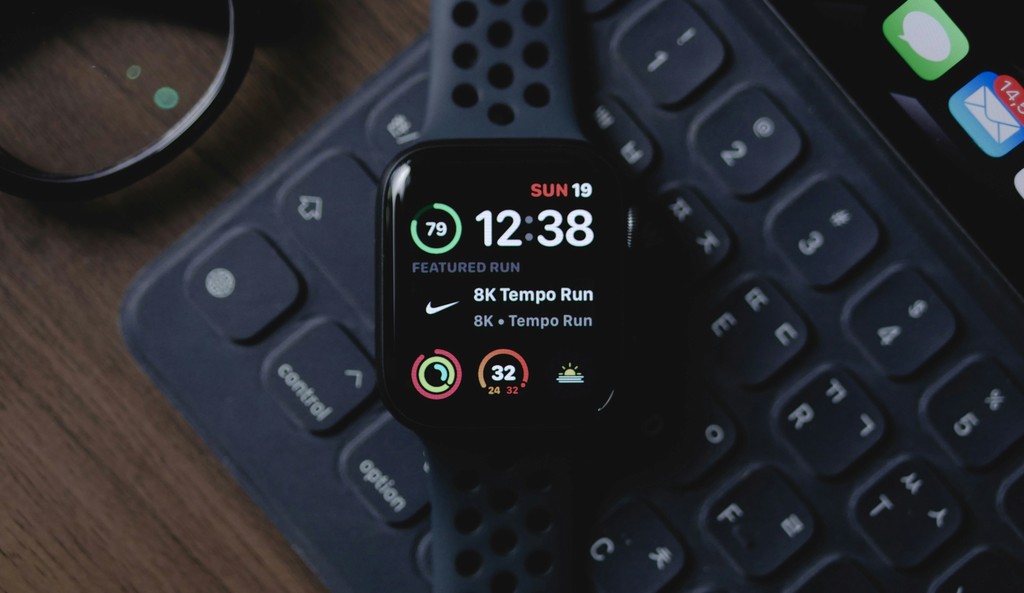
It's 8am on a Monday, and across your organisation hundreds of people are glancing at their wrists. Their smartwatches and fitness trackers are logging steps, sleep scores, heart rate variability and recovery data. Too often, that data disappears into a dashboard nobody reads, and a massive opportunity to drive real behaviour change is lost.
Here is the reality most corporate wellness programs miss: wearable data is not just a reporting tool, it is raw material for motivation design. Every health signal, from a logged step to a readiness score, can be connected to the right reward mechanics to form the foundation of genuine, lasting behaviour change. Research shows well-designed incentive programs can increase physical activity participation by up to 40 per cent.
Step 1: Define the behaviours worth rewarding
Before setting points or tiers, define the specific behaviours your organisation wants to improve. Jumping straight to a rewards catalogue usually produces a system that incentivises metric gaming instead of genuine health improvement. Reward behaviours that correlate with outcomes, not raw data points: 10,000 steps consistently across three weeks signifies a real habit, and that is the behaviour worth rewarding.
- Active minutes: sustained movement throughout the day
- Step trends: week-on-week consistency, not daily spikes
- Heart rate zone time: minutes in cardio and fat-burn zones
- Sleep quality and consistency: duration and regularity
- HRV and recovery scores: genuine indicators of adaptation
Step 2: Reward effort, not genetics
Most programs reward outcomes, the highest step count or the best sleep score, which favours those already fit. A well-designed points system rewards behaviour and improvement, which everyone can control: progressive step targets, active-minute tiers, sleep consistency bonuses, and recovery rewards measured against each person's own 30-day baseline rather than absolute numbers.
Streaks are the engine of habit formation: a 7-day movement streak earns a bonus, 30 days earns a bigger one, and long streaks earn serious recognition. Consistency beats single-day heroics, every time.
Step 3: Tiers that create aspiration
Points motivate action; tiers motivate identity. Bronze through Platinum structures give everyone a rung to climb, and the calibration matters: thresholds must be challenging yet achievable to keep aspiration alive.
Step 4: Rewards that actually matter
Without genuinely valuable rewards, your system is just a scoreboard. Digital badges are participation receipts, not motivators. Physical, tangible rewards carry trophy value, they exist in the real world and remind the recipient of their achievement. Research confirms tangible non-cash rewards outperform cash incentives of equivalent value by up to 24 per cent in sustained motivation.
Step 5: Protect the system
Any system with real value will be tested. Reward heart-rate zone time rather than manipulable step counts, validate with wearable data rather than manual input, and flag anomalies, like going from 3,000 to 40,000 steps overnight. Wearable-verified data is the gold standard.
Step 6: Balance daily motivation with long-term wellbeing
Points should accrue normally up to a healthy limit and then taper, rewarding consistency over volume. Reward rest too: a smart rest day taken when HRV is suppressed builds trust by recognising that someone listened to their body.
Step 7: Align with business outcomes
Design backward from a business outcome: absenteeism reduction, productivity, retention. The future is dynamic personalisation, asking each person to improve their own 30-day average rather than hitting a uniform target. That shift makes the program fairer, more inclusive and significantly more motivating at every fitness level.
Your people are already generating the data every day. The missing piece is a system that turns it into meaningful motivation. Welly Challenges was built to do exactly that.
More from the newsroom
Article · Oct 8, 2026
3 challenges, 1 month: what a workplace, a gym and a public challenge showed us
Article · Feb 19, 2026
Why corporate wellness challenges fail, and what high-performing organisations do differently
Article · Feb 4, 2026
Team-based wellness challenges: the engagement and retention lever your competition is already using